INTERVIEW: Kimberly Gomes (A Road of Her Own)
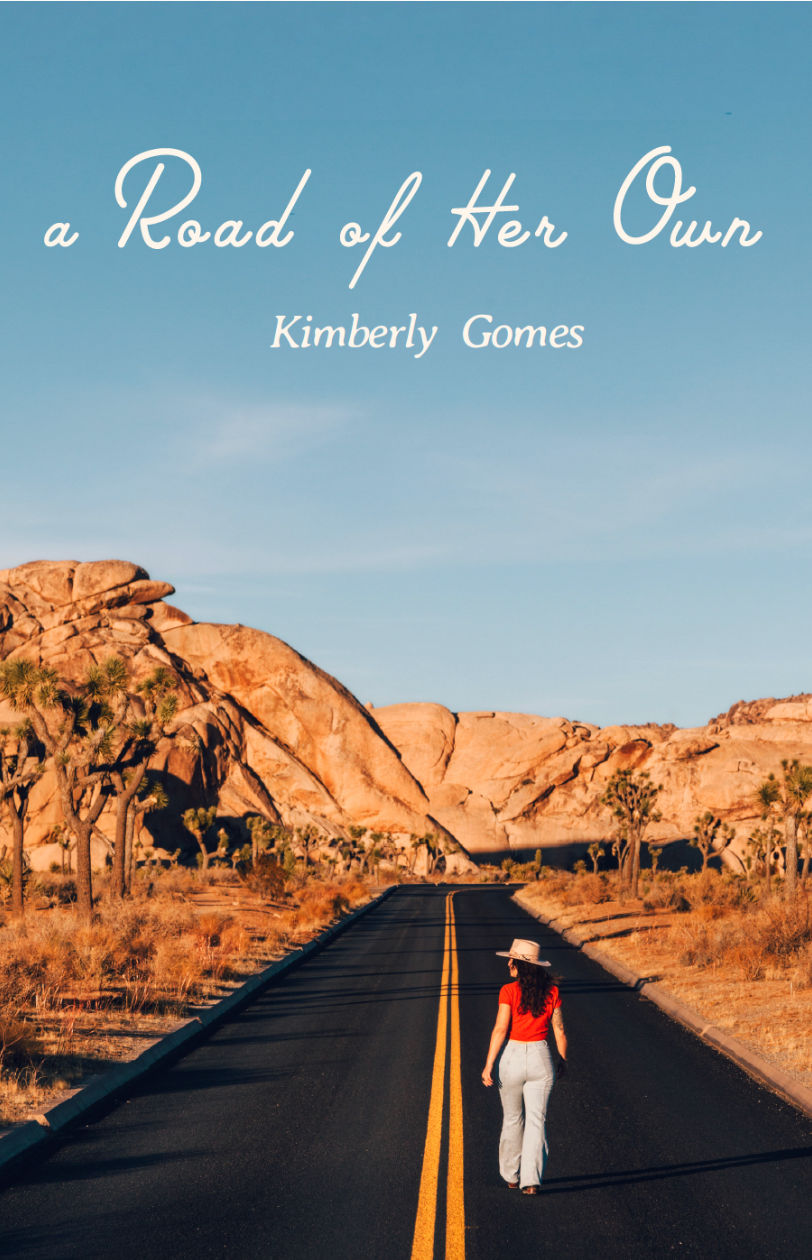
A Road of Her Own
Kimberly Gomes
Red Light Lit
A conversation with
Kathleen J. Woods
Mira is not doing well. She writes obituaries from her newsroom's utility closet, smelling the "real" reporters' microwave lunches and wondering why the photo editors have yet again rejected her work. She's been fainting–at work, at home, and on Market St. Her beloved mother, a free spirit who raised her roving in a van called "Sunshine," is going blind in an assisted living facility. And family secrets are roiling just beneath the surface, demanding to be remembered and resolved.
So Mira walks out of her suffocating life.
She stops typing up another story of death, claims the keys to Sunshine, and takes her future on the road.
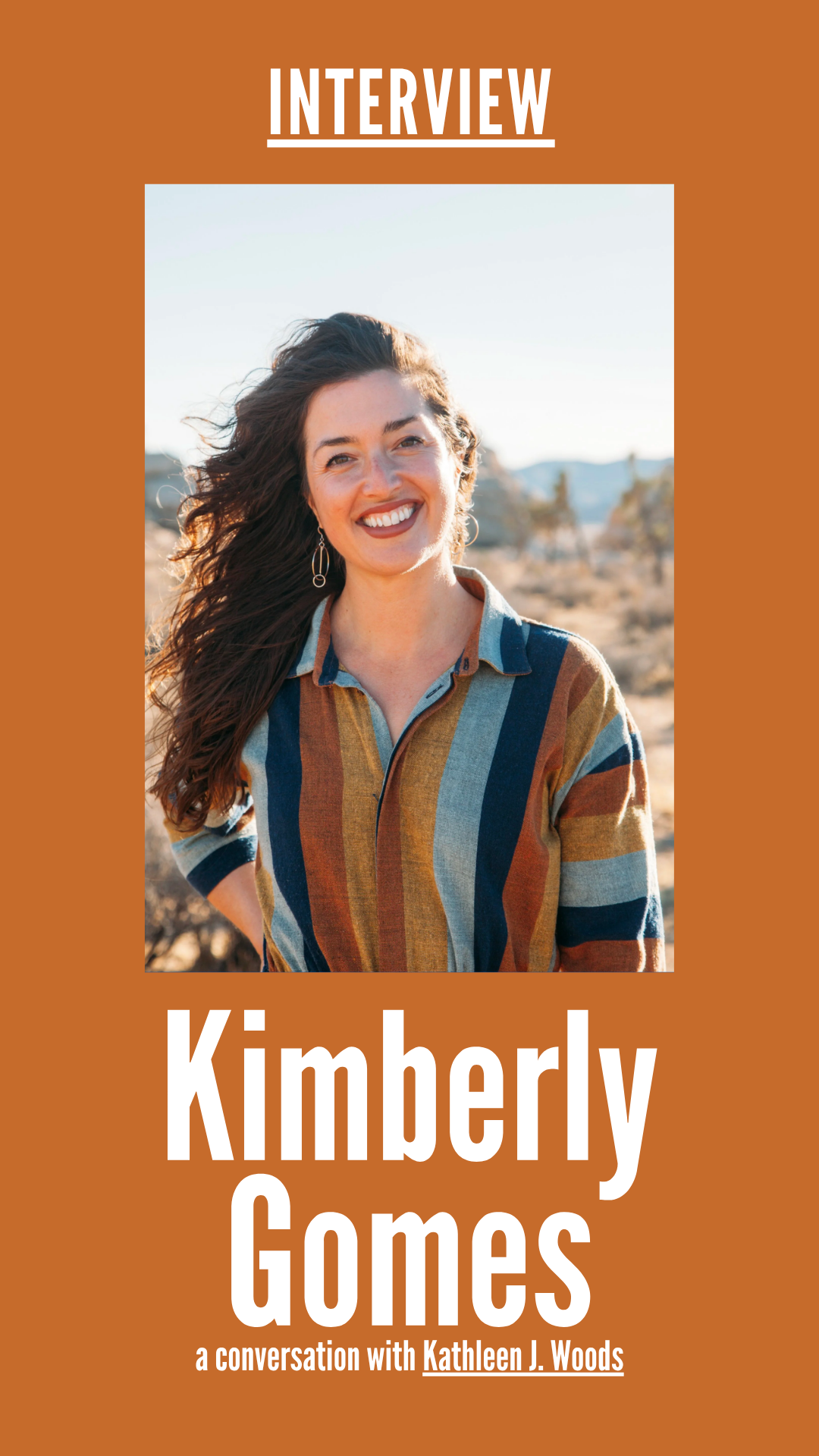
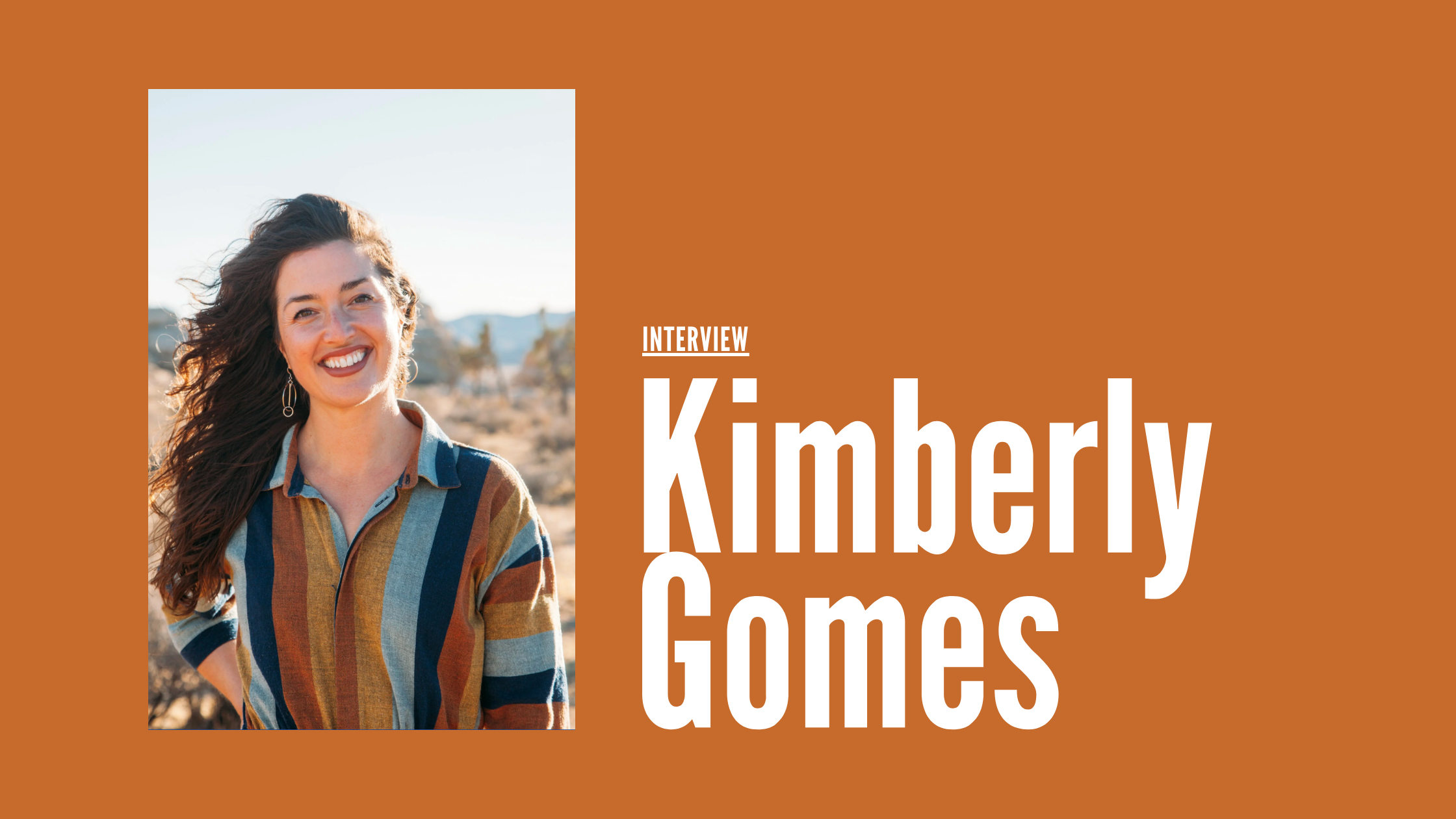
That's the beginning of A Road of Her Own, writer, songslinger, adventurer, and creativity coach Kimberly Gomes's debut novel, (Red Light Lit, May, 2026). I met Kimberly over Zoom, and quickly found connection in our links to the Bay Area, especially Pacifica, where Kimberly would find mental refuge in the ocean, the water reflecting the sky. In this interview, we dove into her love of nature, creative vision, and writing process, as well as her hope that Mira's journey will inspire readers to live on their own terms.
Kathleen J. Woods: What was your path toward writing A Road of Her Own?
Kimberly Gomes: I create from what I need. When I started writing this novel, I was, like Mira, in a place of looking for freedom and craving spontaneity. I was hungry to figure out more about myself, and I started getting really into van life–but only vicariously. I followed other people's adventures on social media while working a 9-5 and going to grad school. Like Mira, I didn't have much time for freedom. But when I started writing this book as a NaNoWriMo project, I found an outlet to play with adventures that seemed out of reach.
I kept working on drafts of the novel, creating characters in beautiful places, like Yellowstone and Zion—some where I had been, others I had longed to explore. Those characters became healing agents to explore deeper, raw, and rugged parts of myself, and my world. Soon, it wasn't enough to just write about what I imagined Zion and Yellowstone might be like. What started as pure fiction based on fantastical desires became a research itinerary, and next thing I knew, I was waking up in one national park, and then another. My dreams shaped the book, which then shaped my life.
A Road of Her Own had about ten different drafts, and the last one looks nothing at all like the first. At some point, I wanted to shape my escapist imaginings into something I could share with the world, a story that offers wisdom by exploring the winding of a person's inner life just as much as the winding of the road. And even though I was writing the novel I needed, I also tried to give Mira her own journey and listen to what was true for her as a distinct character, not just what echoed my own life experience.
Having a great editor was key. Jennifer Lewis was incredible about helping me find the bridge between a book offering wisdom and a novel with stakes the reader can invest in.
KJW: Mira, your protagonist, is a photographer. Throughout the book, she captures portraits, from strangers on the streets of San Francisco to those she meets along her journey. She says, "She gets to capture a moment that could easily be forgotten. Preserve a piece of time with her own take on it." What drew you toward writing about photography?
KG: My community is full of aspiring creatives, and I wanted to capture the common all-too-common experience of being innately compelled to make art and to keep working at it, even when art isn't paying the bills.
I chose photography to give Mira her own art form, one I got to learn about. Through writing her, I discovered how photography requires you to slow down and look at things you might otherwise miss. A physical camera requires the presence and focus to make meaning of the minute things you observe.
KJW: Mira loved photographing people, especially the bold, unique women she meets along the road. Some, like Shelby—camping alone in Joshua Tree to mark the anniversary of her divorce and her refusal to regret decades spent "loving hard"—are at first reluctant and then pleased to be captured "not exactly at [their] freshest." Why was it important to you to capture these portraits on the page?
KG: I wanted to write women who found themselves at a life juncture, just like Mira. Just like many of us! Each presents another (sometimes messy) facet of humanness, and each helps Mira become more alive, tender, and open to more of herself.
I also wanted to write women who were many different ages, some decades older than MIra. That's part of reality—we get older, but the road just keeps winding. It often takes that photographer's time to slow down and feel what detail in the frame wants to be expanded both in life and in ourselves.
KJW: Both Mira and her mother, Gigi, wrestle with questions about how to balance caring for one another and living for themselves. How did you probe these themes of motherhood, daughterhood, and selfhood throughout this book? What do you hope your readers might see differently?
KG: The first thing that comes to mind is the issue of codependency, which is so common for mothers and daughters to fall into, with enmeshed dynamics and roles set up from
childhood on. I wanted to track the individuation process and show the stages of shifting codependency into a healthier relationship for everyone.
Mira has an unconventional mother, Gigi, whose creativity comes with some chaos. A childhood spent traveling the country in Gigi's van offers young Mira many wonderful things–but stability isn't one.
Mira learns not to depend on Gigi emotionally, at least not entirely. This and other events we might talk about force her to grow up quite fast.
Mira feels an obligation to be a good girl and a good daughter. What gets lost when you're stuck seeking that approval and appeasement for too long? When we meet Mira, she's frozen in this stuck point, which is made even stickier by Gigi's illness and isolation in assisted living. To get unstuck, Mira has to be willing to tend to herself, even if she risks disappointing her mom.
Once the incredible women and places Mira sees along her journey start transforming her, she can't go back to quenching her own needs. And by getting unstuck, she naturally shifts the mother-daughter dynamic, creating space for Gigi to step into her own two feet. Both maintain a loving relationship while supporting the other in stretching her courage in her own way.
KJW: I admire how Mira and Gigi express so much tenderness and care for each other throughout the novel. Even when it's tempting to villainize Gigi, you don't let readers take the easy route.
KG: Gigi is just a person doing her best, as I imagine many or most parents are.
KJW: Plus, Gigi is a woman who has unapologetically sought happiness, which Mira admires even as she also wishes she had a "normal" childhood.
KG: I wanted to dig into what happens when a female character doesn't keep herself in the guardrails of "shoulds." Even when Gigi is not trying to be reckless or cruel, her relentless devotion to herself results in others getting hurt. As her writer, she fascinated me. She felt the villain in some moments and the unconventional hero in others. She wasn’t easy to pin down into a neat box, and I liked that. It more accurately reflects a woman’s existence and was deeply cathartic to create. Now, I like reading her the most. Gigi is in touch with her raw humanness.
KJW: Mira also feels and wants very strongly, but she's more reserved and cautious, partially as a result of the parentification we discussed before. But no matter how hard Mira tries to tamp down her own reckless humanness, her new fainting spells make her vulnerable, especially as she's hiking solo.
KG: She's solo, but never alone. As someone who has traveled a ton on my own, I wanted to show the relentless generosity of strangers. It always floors me how far people will go out of their way to help someone they don't know!
Even without fainting, being a woman on the road or in a campsite or just in the world alone can be an act of vulnerability. You have to scan the situation, assess potential dangers, and prepare to reach out to strangers if you really need help. If, like Mira, you have experienced sexual trauma, it can be especially hard to trust strangers. But it was important to me to show that no matter what bad things have happened in your life, there are so many more people who will show you the good.
KJW: And the landscapes will be beautiful.
KG: Totally! I got to follow Mira to the desert, where the landscape is so raw. Thoughts get clearer and epiphanies come faster. She also travels through rivers that serve as releases, shaking her rubble loose, while water also offers her opportunities to feel calm and cool. I'm drawn to the idea of water as a healing element, and then the desert as a canvas for something new.
KJW: What is one of your favorite pieces of wisdom you've gathered along your own road?
KG: I think the character Lorraine says it—there are no paths in life, there are just dots, and when those dots come together, they make a jagged line. My uncle who's also an artist once told me that, and it’s something that’s stuck with me.
I strongly believe you're not just what you've been through; you're what you're going toward. Disharmony in the body can illuminate a more harmonious path forward.
I hope A Road of Her Own invites readers to listen to their bodies and find pleasure, softness, and levity in their authentic paths. It's imperative to have pleasure at the center of healing, and I hope my characters show the softness and juiciness to be found alongside emotional and physical hardships.
Those pleasures can open the door to something new. Or, as I like to say, the big feels make the big art.